#119 - Do We Really Need the Box?
- Adam Pawel Pietruszewski
- Apr 30
- 3 min read

A few weeks ago, I received a delivery in a box that didn’t look like it belonged to the product inside. It was clearly reused—two different boxes combined into one, uneven, slightly worn, held together with too much tape. No brand, no polish, no effort to impress.
The customer experience wasn’t great—but the environmental impact was undeniably positive.

This is a dilemma businesses face more and more often.
For years, companies have invested heavily in packaging designed to create emotion—like the iPhone box: precise, minimal, almost ceremonial. Before you even touch the device, the packaging signals quality, precision, and care. It creates an emotional response. But this lavishness does not have utilitarian value - most consumers throw it to trash bin immediately after they take out their phone.
We’ve normalized this contradiction. We speak about sustainability but still expect luxury.
I’ve had many discussions about this in a previous company, usually centered on customer experience. One of them came back to me as I opened that reused box. A team in India had proposed reusing supplier packaging to deliver products. The idea was efficient: lower costs, less material waste, a step toward circularity. But management did not like it.
Their concern was valid. The solution worked functionally but it felt wrong. The box was unattractive, and it failed to create the emotional connection that shapes brand perception.
I often write about the urgent need to reduce material consumption, circularity, and minimalism. And yet, when I received this reused box, I found it disappointing.
That reaction is probably quite normal. Sustainability is in conflict in this case with one of the most effective marketing tools of the consumer business. So the real question is: how can companies stay competitive while adopting solutions that strip away some traditional marketing tools like premium packaging?
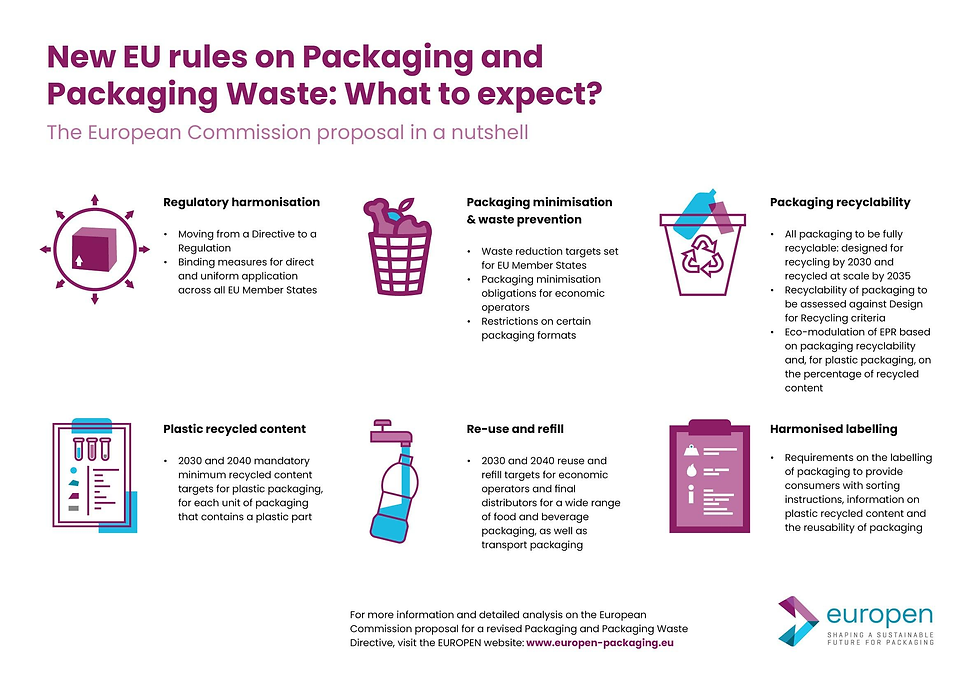
This isn’t just a theoretical challenge. The European Union’s Packaging and Packaging Waste regulations will soon force e-commerce companies to rethink how they package and deliver products. The focus is clear—reduce materials, increase reuse, and improve recyclability.
Sooner or later, every business will have to adapt and some companies are already moving in this direction, but the road ahead is not simple.
Circularity makes sense—it’s necessary—but it comes with trade-offs. Businesses need to find ways to make customers accept a plain, sometimes ugly delivery box instead of a polished one, a refill instead of a new bottle, a refurbished product instead of a new one in perfect packaging.
We like to believe we’re rational consumers. That we care about the environment. That we’ll accept trade-offs. But our behavior says otherwise. We still respond to aesthetics, to ritual, to the quiet signal of quality that comes from a well-designed package.
Many answers for this challenge lie in what’s known in resilience thinking as adaptive preference - our ability to adjust expectations when circumstances change. In this case, it means accepting that “good” may look less polished than before.
Sustainable development without this shift is unlikely. Yet, because our living conditions are not deteriorating in obvious ways, most people don’t feel the need to adjust.
Which brings me to a simple question I now try to ask myself:
Do I really need the box—or just what’s inside it?
I publish one short reflection like this each week. If you would like to receive them by email, you can sign up to the newsletter here


Comments